

Contact Us
Use the Online Form
Email us: er4pets@er4pets.com

Phone Number
Give Us a Call Today
858.676.1600
Our Mission
When your dog or cat gets hurt or sick without warning, you need an emergency vet in San Diego who can figure out what’s wrong and start treatment right away. PetSurg & ER4Pets, led by Dr. Diana Jones in San Diego, CA, handles both emergency care and pet surgery. Pet owners along the I-15 corridor bring us poisonings, bite wounds, heatstroke, and sudden collapse.
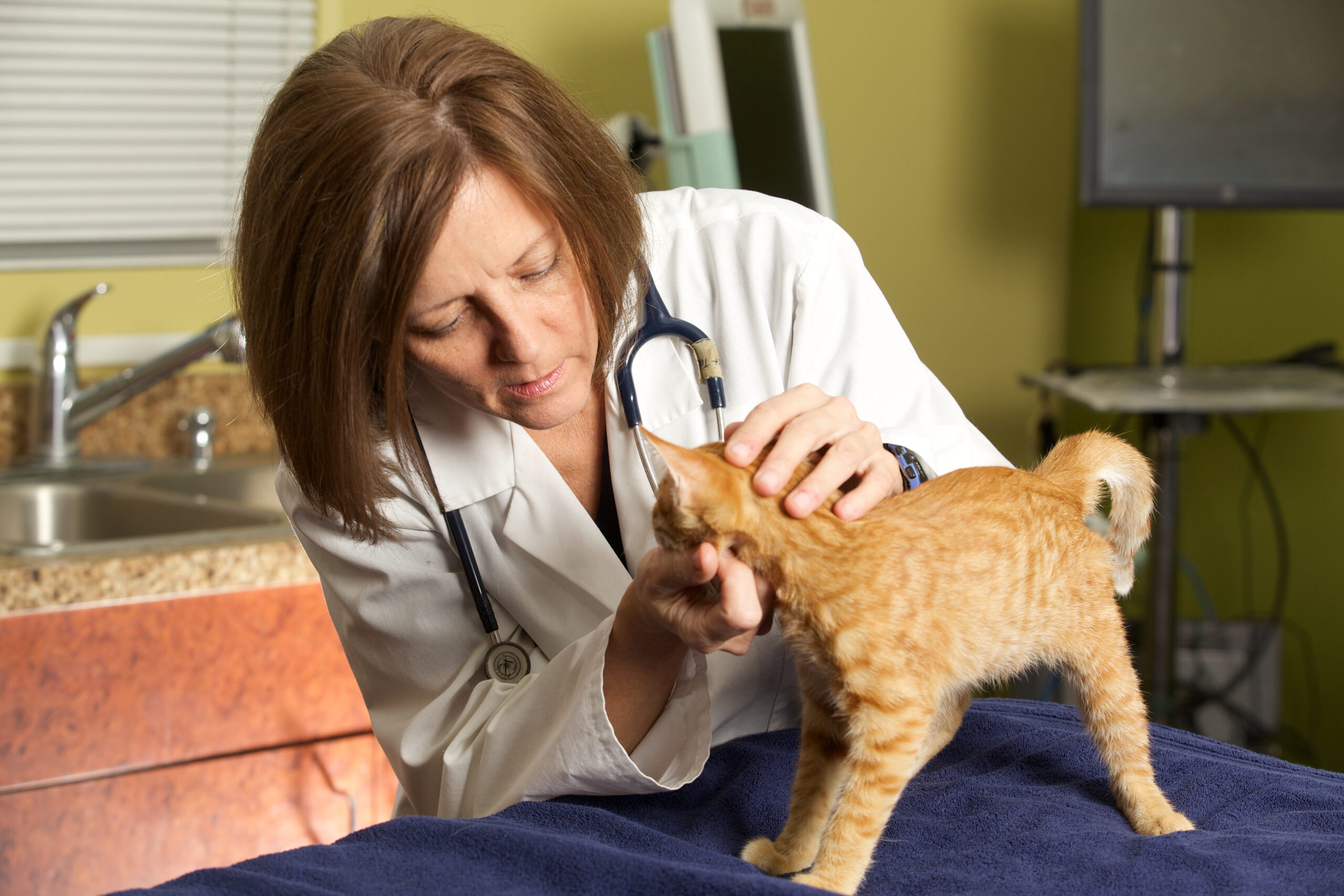
Top Rated Veterinarian in San Diego, CA
Meet the compassionate veterinary care team at PETSURG & ER4PETS in San Diego, CA! We’re proud to provide exceptional care for your pets, delivered by our dedicated veterinarians and staff.
Call us today at 858.676.1600 to speak with one of our caring team members!
The surgeon, Dr. Diana Jones, received her DVM degree from the University of Georgia. She worked in busy practices in West Virginia and Florida for two years before moving to Canada to pursue a three-year surgical residency program.
Exceptional Surgical and Emergency Veterinary Care
In caring for your pet our goal is your peace of mind. We help you and your pet deal with serious injury or illness by providing personalized, professional service from the first call to the last pat on the head. Our experienced team is committed to providing quality diagnostic services and advanced surgical care.
Surgery Information
PETSURG is a referral surgery center for pets in San Diego. We partner with your primary care veterinarian. Our surgical expertise is a resource for you, your pet and your primary veterinarian to ensure your pet receives the best care. Dr. Diana Jones is a board-certified surgeon. She has extensive training beyond veterinary school and decades of experience. We also perform emergency surgeries.
We set high standards for ourselves and our care for pets. Your pet’s health and comfort are very important to us. Pets are monitored under anesthesia with equipment to check all vitals signs and by a trained pet nurse. Our staff is available to answer your questions prior to surgery and to tell you what is happening after your pet’s surgery. Please click the services below to view more information about our surgery services.
- Abdominal Surgery
- Thoracic Surgery
- Cancer Surgery
- Eye/ear surgery
- Wound/reconstructive/plastic surgery
- Genital Surgery
- Brachycephalic surgery
- Laceration repair
- Ear hematoma
- Gastrointestinal foreign body
- FHO surgery
- Pyometra
- Amputation
- TPLO surgery
- Anesthesia monitoring

Emergency Services
Our goal is to provide you and your pet with high-quality, fast, friendly emergency service at our convenient location in San Diego.
858.676.1600- Dog Bites
- Arthritis
- Broken leg
- Toxin Ingestion
- Cancer Surgery
- Euthanasia
- And More
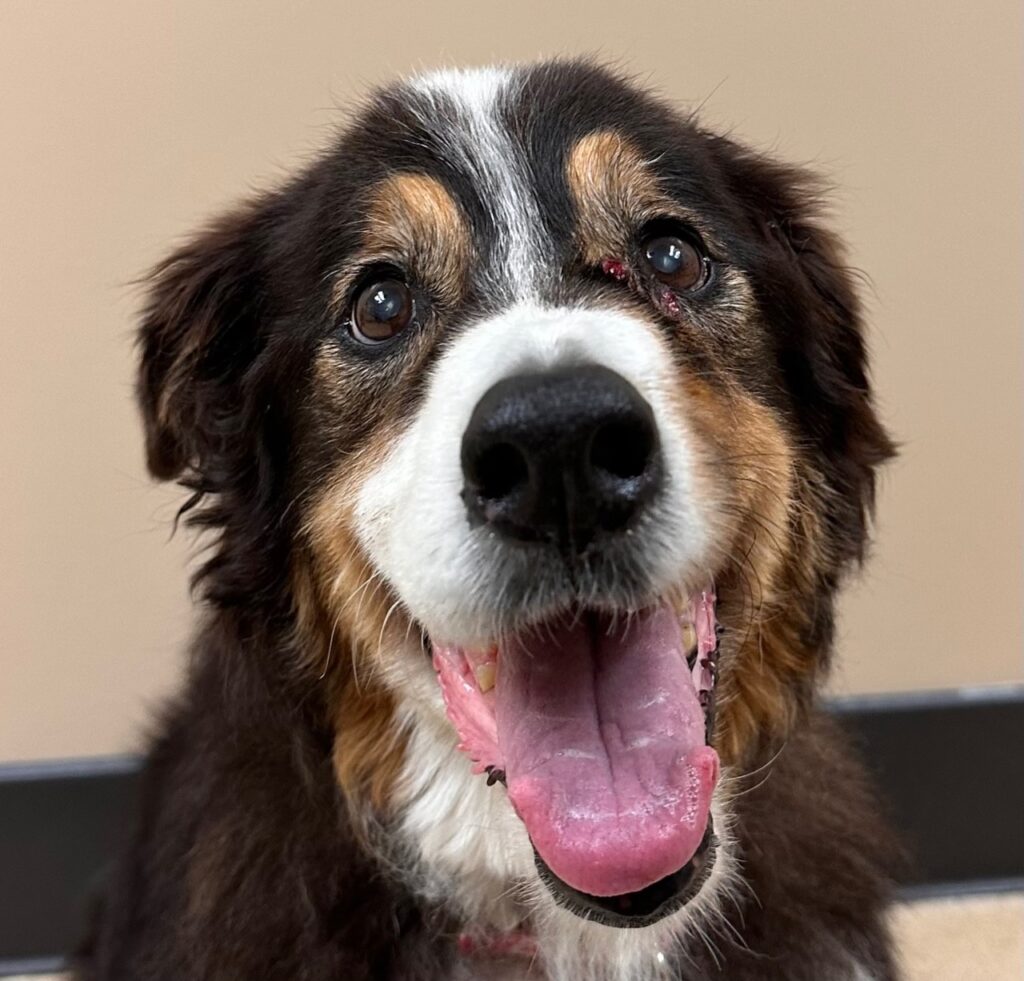
Around-The-Clock Care
As a locally-owned and independently run practice, we pride ourselves on being more than just a veterinary office, we’re your neighbors, your partners, and your pet’s extended family. Our warm, welcoming space is designed to feel homey and comfortable for both pets and their people. With a veterinarian on staff 24/7 and a highly trained, compassionate medical team, we’re here day and night to provide the best possible care. We focus on treating the root of the problem, not just the symptoms, and we take time to guide and educate pet parents every step of the way. At our clinic, it’s all about genuine care, connection, and helping your pets live their happiest, healthiest lives.
OUR SERVICES
What We Do

Surgery
Our surgical team provides safe, advanced procedures with a focus on comfort and recovery. From fracture repairs to complex surgeries, we ensure your pet receives the highest level of care.

Emergency Services
Our emergency services are available around the clock to provide immediate care when your pet needs it most. From urgent injuries to sudden illnesses, we’re here to respond quickly and compassionately.
Hospitalization
We offer 24-hour veterinary supervision and hospitalization to ensure your pet receives round-the-clock care, comfort, and monitoring whenever they need it most.

24/7 Onsite Veterinarian
Our veterinarian is onsite 24/7, ensuring your pet always has access to expert care, day or night. You’ll have peace of mind knowing help is available whenever an emergency happens.
Emergency Care for Dogs and Cats in San Diego
Is emergency care right for your pet?
Some emergencies are obvious, like a broken leg or a dog hit by a car. Others build slowly. That’s where owners lose time, watching a cat return to the litter box again and again or a dog pace after dinner without settling.
So how do you tell a real emergency from a rough evening when you’re alone with your pet at night?
Who is a candidate for emergency care?
Your dog or cat needs care now if something changed fast and you can’t explain it, especially if you notice any of these signs:
- Vomiting that keeps coming back over a few hours
- A seizure, or several close together
- Labored breathing, especially in a cat
- Bleeding that won’t stop with gentle pressure
- Collapse, weakness, or trouble standing
- Evidence your pet ate something toxic
Cats straining to urinate need help right away, even if they otherwise seem calm. If you can’t decide whether a sign counts, bring your pet in and let us make that call with you at the exam table. Dogs and cats hide pain well, so a quiet pet can still be in trouble.
What does the emergency care process involve?
An emergency visit here moves from triage to treatment in five steps:
- We triage your pet right away to sort out what needs attention first.
- We run bloodwork and a urinalysis in our own lab, and we take X-rays or an ultrasound when we need to see inside.
- Results come back in about one hour, while you’re still here with your pet.
- We sit down with you, explain what we found, and give you a written estimate before any treatment starts.
- Once you give consent, we start treatment here, using fluid therapy, oxygen therapy, a blood transfusion, CPR, or pain relief as your pet needs.
If your pet needs oxygen, we start it before the bloodwork comes back. Breathing comes first.
Where does emergency care fit into your treatment plan?
Emergency care is usually the first stop when your pet gets sick or hurt suddenly. Here, it’s also where the rest of the plan happens, because triage, overnight stays, and surgery all take place in the same building.
That setup matters most for a pet who needs an operation tonight. Your pet stays in our care the whole time, and you skip a second car ride and a second intake exam at another hospital.
After the exam and tests, your pet takes one of two paths. Some pets go home the same night with medication and written instructions. Others stay with us overnight for fluids and monitoring.
When is the right time to consider emergency care?
The right time is the moment a symptom appears suddenly or starts getting worse over an hour or two.
A handful of conditions can turn fatal within hours. Bloat, also called GDV, where a dog’s stomach fills with gas and can twist, is one. Cat urinary blockages are another. Rattlesnake bites, heatstroke on a hot afternoon, and severe allergic reactions that swell the face or throat belong in the same group.
Waiting until your regular vet opens in the morning is the riskiest choice with any of these, because a few overnight hours can change how the case ends.
Mild diarrhea in a dog who is still eating and drinking normally can usually wait for your regular vet. Any change in that picture moves it back into the urgent group.
Why emergency care at PetSurg & ER4Pets over the alternatives?
At PetSurg & ER4Pets, the emergency team and the surgeon work under one roof, so when your pet needs Dr. Jones, she’s already here. A stabilize-and-refer hospital has its own strength, since a larger building often has more doctors and technicians on the floor at once. Its catch comes when your pet needs an operation, because that model sends you back to your car and on to a separate hospital.
Handoffs carry risk.
One study of adults who had emergency abdominal surgery at one large referral hospital from 2016 to 2018 found that, in patients whose bowel might be losing its blood supply, inter-hospital transfer was a predictor for mortality. That research involved people, so it points to the risk of a handoff without measuring it in pets.
Our fees also run well below other emergency veterinary hospitals in San Diego, and pet owners who compared quotes point that out in their reviews.
Waiting on a Sick Pet Can Turn a Treatable Problem Into a Fatal One
A blocked cat who looks only uncomfortable in the morning can be critical by that night. A male cat’s urethra is narrow, which makes it easy for crystals or a plug to block it.
The bladder can’t empty, so waste and potassium build up in the blood and strain the kidneys and the heart. Left long enough, that strain can leave lasting kidney damage. In one UK study of male cats seen in primary care for urinary blockage in 2016, nearly 30% did not survive. Death during a UO episode was 329/1108.
The same pattern holds for a dog who ate something toxic, since the longer the poison sits in the gut, the more of it the body absorbs.
Waiting also changes the bill. A cat treated early may need a catheter and fluids, while a cat treated late can need days of intensive care and sometimes surgery. Longer hospital stays add nights of monitoring and medication, and each night shows up on the final bill.
Pet Surgery in San Diego
Is pet surgery right for your pet?
Maybe your regular vet found a problem that needs an operation and handed you a referral, or maybe your pet came through our emergency room tonight.
Either way, the diagnosis is settled. The decisions ahead are practical ones about people and places.
Who will operate, and how will you hear how it went?
Who is a candidate for pet surgery?
A good candidate for surgery is a dog or cat with a problem that medicine alone can’t fix. These patients reach us by one of two routes. Some come with a referral from your regular vet, and others come through our emergency room.
Problems that bring surgical patients to us include:
- Bladder stones that block or irritate the urinary tract
- Bloat with a twisted stomach (GDV)
- Pyometra, a pus-filled uterus in an unspayed female
- A tumor or mass that needs removal
- A broken bone
Dogs limping on a back leg from ruptured cruciate ligaments are candidates too, even when the limp seems to come and go. Surgery isn’t right for every pet. Dr. Jones reviews each case before we schedule anything, and if medicine or rest will do the job, she’ll tell you that plainly.
What does the pet surgery process involve?
Each surgery at our hospital follows the same four steps, in this order:
- Before anesthesia, we run bloodwork and imaging to make sure your pet can handle it safely.
- During the operation, a team member watches your pet’s vital signs the whole time.
- Dr. Jones operates on your pet herself, with no interns or students at the table. Her work includes spleen removal and taking swallowed objects out of the gut. On the orthopedic side, she performs TPLO surgery for torn knee ligaments, fracture repair, and FHO surgery, which removes the top of the thighbone to relieve hip pain.
- Afterward, your pet gets a pain plan built for the procedure, and Dr. Jones calls you directly to explain what she found and what recovery involves.
Where does pet surgery fit into your treatment plan?
On a referral, surgery sits between your regular vet’s diagnosis and the follow-up visits closer to home. Your vet makes the diagnosis and sends your pet to us for the operation. We do the surgery and the early recovery, then send complete surgical records back so your vet can take over rechecks.
If your pet came in through our emergency room, the operating room is in the same building. A pet we stabilize at midnight goes into surgery with the same team and the same chart.
You call one hospital for updates.
When is the right time to consider pet surgery?
For a surgical emergency, such as a twisted stomach or bleeding inside the belly, we operate as soon as your pet is stable enough for anesthesia.
Stabilizing first matters. A pet in shock handles anesthesia poorly, so the first hour often goes to steadying blood pressure and breathing.
Planned procedures, such as a knee repair or a mass removal, allow more time, within limits. Ask your regular vet to send the referral as soon as they make the diagnosis. A small mass with clear borders can usually come out in one piece with a margin of healthy tissue around it. Once it grows into the muscle or organs nearby, removing all of it may no longer be possible.
Why pet surgery at PetSurg & ER4Pets over the alternatives?
The person who examines your pet here is the person who operates, because we’re a smaller hospital built around one board-certified surgeon. A large specialty hospital has a real advantage in depth, with several specialists and services in one building. The trade-off there is that you often meet one surgeon at the consult and hand your pet to a team you’ve never met on surgery day. Our own trade-off is size, since one surgeon handles every case.
We’re also the only hospital along the I-15 corridor in San Diego County offering this level of surgical care, which shortens the drive for families who live near the freeway.
One 2020 Australian Veterinary Journal review of 736 GDV cases at two referral and emergency hospitals in Sydney found that dogs operated on by specialist surgeons had a significantly higher survival rate than dogs operated on by general surgeons. That review looked at one condition in one city, so treat it as one data point about specialist training.
Delaying Surgery Turns Manageable Conditions Into Emergencies
A surgical problem usually gets worse while you wait, and a torn knee ligament shows how. A dog with this injury loads the unstable joint every time it walks or climbs stairs.
In dogs with a cruciate tear, more ligament fibers fail over time, and degenerative changes develop within the stifle joint, including arthritis and scar tissue in that knee.
That arthritis stays, even after a later repair. The other back leg carries extra load. Dogs shift weight off the sore knee for weeks or months, which strains the hip and the opposite knee and can lead to a second injury. Pain also changes behavior, and a pet in daily pain may stop playing or snap when touched.
Your choices shrink as time passes, and one knee repair can become two, one for each back leg, with months of pain medication between them. Other surgical conditions follow the same rule, since a bladder stone left in place can lodge in the urethra and cause a blockage.
If you’re searching for an emergency vet in San Diego because your pet suddenly seems wrong and you can’t tell how serious it is, that uncertainty is where we start. The first thing we do is get your pet in front of a veterinarian and ask what changed, when it changed, and how your pet is acting now. Your answers decide which test we run first.
Why Choose Us
Meet the Dr.
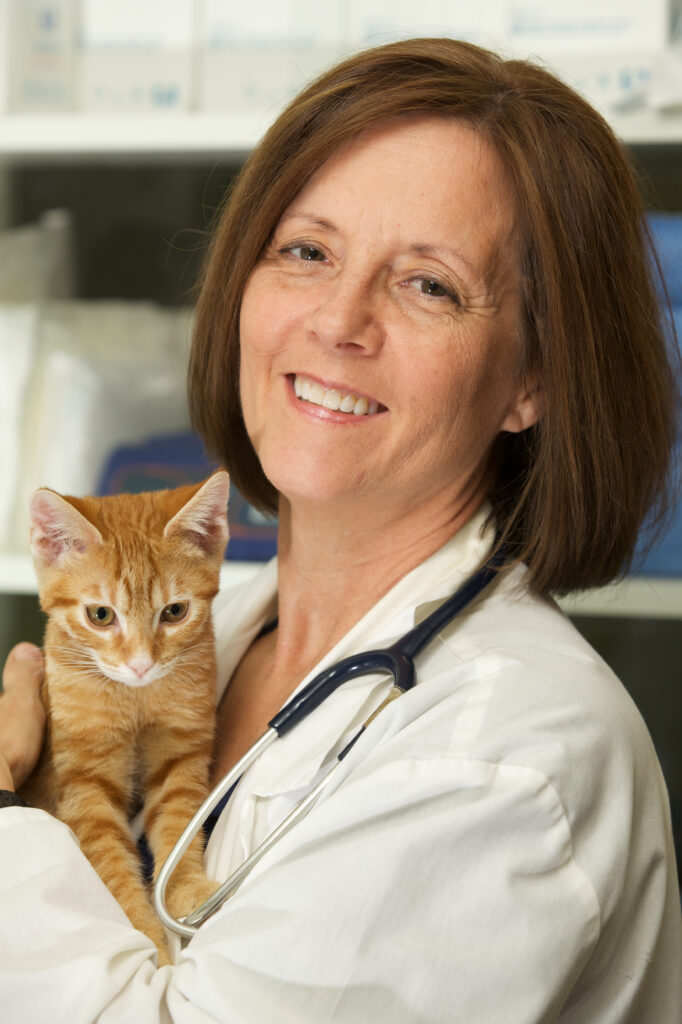
Dr. Diana Jones focuses on giving dogs and cats along the I-15 corridor specialist-level care, so worried owners can find it close to home. She earned her DVM from the University of Georgia in 1986. At the University of Saskatchewan, she completed a master’s degree and her residency and received the Outstanding Resident Award. She then taught at Mississippi State University from 1991 to 1995 as an Assistant Professor and Chief of Service. In 1994, while still on that faculty, she became board certified through the American College of Veterinary Surgeons. Her published arthroscopy research showed that the lining of a joint can regenerate. She later earned a Master’s in Education from San Diego State University in 1997. On each case, she works to find and treat the root cause of your pet’s problem. In 2010, she founded PetSurg & ER4Pets, which is still independently owned, so the people making decisions about your pet are the people caring for your pet. We think of ourselves as your neighbors and your partners in your pet’s care. Our mission is one line long: “In caring for your pet, our goal is your peace of mind.”
They Love Us

Emergency Veterinarian in San Diego
Count on Our Emergency Vet in San Diego When Every Minute Matters
Our emergency vet in San Diego is ready to help when your pet needs urgent care. We’ll keep you informed and involved in every decision. Call PETSURG & ER4PETS right away so we can prepare for your arrival.
From outpatient care to critical care, including diagnostic surgery and chronic disease management, we’re here to support your pet’s health at every stage of life.
FAQs
Do you see patients 24 hours a day, including holidays?
Yes. A veterinarian is in our building every hour of every day, including weekends, nights, and holidays like Thanksgiving and New Year’s Day.
Your call reaches our team at the hospital at any hour, and a doctor is already on the floor when you arrive.
Night visits work the same way as daytime visits. You check in at the front desk, a team member looks at your pet right away, and the doctor on duty takes over from there. Weekend and holiday visits follow the same steps.
We see the sickest pet first at any hour, so a pet struggling to breathe at 3 a.m. may go ahead of a limping dog who arrived earlier.
What should I bring when I come in for an emergency visit?
Grab what you can in a minute or two on the way out the door, and leave the rest behind. These items help us the most:
- Any medications your pet takes, in their original bottles
- Your regular vet’s name and phone number
- The wrapper or plant your pet chewed, if you suspect poisoning
- Recent records or X-rays from another hospital
- A towel to wrap a bleeding wound on the drive over
If you’re out the door with nothing but your pet and your keys, that’s fine. We’ll start the exam anyway and request records from your regular vet’s office ourselves. For a scared pet, a leash or a closed carrier keeps everyone safer in the lobby.
Where is your emergency pet hospital in San Diego located?
You’ll find PetSurg & ER4Pets at 12335 World Trade Drive, San Diego, CA 92128. We sit along the I-15 corridor.
Our spot near the freeway gives you a direct route from up and down the I-15, so you spend less time on surface streets.
You can just walk in. If you’d like to give us a heads-up, call 858.676.1600 from the road, and a team member will get ready for your pet before you arrive. Have your pet’s name and the main problem ready, and if someone else is driving, they can make the call while you hold your pet.
Saving the address in your phone now means one less thing to look up in a hurry.
What does hospitalization look like at your facility?
Pets who need to stay with us rest in private rooms, which keeps a stressed animal away from the noise of other patients. Our team sets a monitoring and feeding schedule for each patient and adjusts it as your pet responds.
We update you by phone during the stay. You can call us with questions anytime, too. Ask our team when to expect the first update.
Before your pet goes home, a team member walks you through the discharge instructions line by line, covering medications, activity limits, and the warning signs to watch for. A few days later, someone from our team calls to check on how your pet is doing at home.
Do you see pets from Poway, Escondido, and other nearby cities?
Yes. We regularly see pets from Poway, Rancho Bernardo, Escondido, San Marcos, Vista, El Cajon, Oceanside, and La Mesa.
Our patients also come from across San Diego County, from Orange County, and from the rest of Southern California.
Some families arrive with a referral from their regular veterinarian. Others find us in a late-night search and drive straight over. You don’t need a referral to come in for an emergency. Both kinds of visits start with an exam by the veterinarian on duty.
On a longer drive, bring a second person to sit beside your pet so the driver can keep their eyes on the road.
